
Semaglutide (Wegovy, Ozempic) has become one of the most talked-about medications in the weight loss world, and for good reason. But with their popularity, a new trend has emerged: “microdosing semaglutide”—using smaller amounts of the weight loss medication than recommended.
Many people turn to microdosing to cut costs, reduce side effects, or make semaglutide treatment more flexible.
While the idea of using smaller doses may seem safer, semaglutide is still a prescription medication that affects hormones, digestion, and blood sugar. Dosing without guidance can lead to ineffective treatment, unwanted side effects, or unsafe results.
Keep reading to learn more about microdosing GLP-1s, how they can help with weight loss, and how NP2GO can help incorporate this treatment into your routine.
What Does Microdosing Semaglutide Mean?
Microdosing semaglutide means using a much lower than recommended dose of this medication—sometimes as little as 0.05 to 0.1 mg of semaglutide weekly, as opposed to the normal 0.25 mg starting dose.
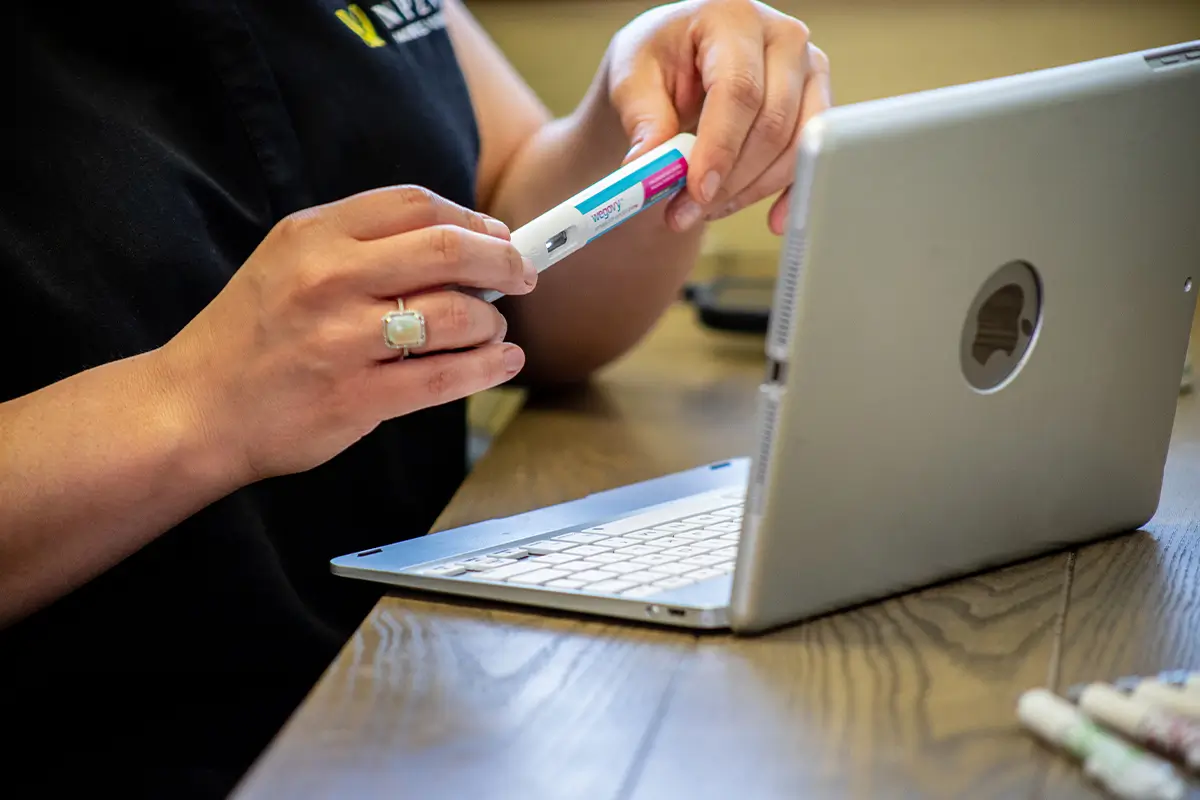
Microdosing with standard pre-filled “click pens”—common with brand-name medications—is challenging because they are designed to deliver specific, fixed doses.
Some healthcare providers like NP2GO prescribe compounded semaglutide, which a compounding pharmacy makes. This medication is delivered in a vial; you and your provider have the flexibility to draw up the exact unit amount that fits your body’s needs.
Is Semaglutide Microdosing Right For You?
Microdosing semaglutide is ideal for people with high medication sensitivity, those needing to minimize gastrointestinal side effects, or people looking to lose a small amount of weight.
You may be a good candidate for microdosing semaglutide if you:
- Are sensitive to medications: If you experience nausea, dizziness, or digestive issues with new medications, microdosing allows your body to adjust gradually, reducing the likelihood of uncomfortable side effects.
- Experienced side effects on standard doses: Many patients stop semaglutide because of nausea, bloating, or food aversions. Microdosing may help you continue treatment while improving tolerance.
- Want slow, sustainable weight loss: Some people prefer steady, long-term fat loss rather than rapid weight changes. Microdosing supports appetite control without overwhelming your system.
- Are restarting semaglutide: If you previously stopped semaglutide due to side effects or life changes, microdosing can be a gentler way to reintroduce the medication.
- Are in a maintenance phase: After reaching your goal weight, microdosing may help you maintain results by supporting appetite regulation without aggressive dosing.
- Prefer a more affordable option: Lower doses may reduce overall medication costs, especially when using compounded semaglutide under medical supervision.
Why Are People Microdosing Semaglutide?
People are microdosing semaglutide to manage costs, minimize severe side effects, and maintain weight loss at lower, more manageable doses. Below are the reasons for microdosing semaglutide:
1. Minimized side effects
One of the main reasons people choose microdosing is to minimize semaglutide side effects like nausea, bloating, vomiting, fatigue, and constipation.
Taking lower, more gradual doses can help reduce the intensity of side effects. This approach can be particularly beneficial for those who are sensitive to medications or experience gastrointestinal discomfort.
It can also be helpful for those trying semaglutide for the first time. Starting slowly gives the body a chance to adjust, making the whole treatment process feel smoother. When you have better tolerance, you’re more likely to stick with it and avoid stopping treatment due to severe side effects.
2. Sustainable results and weight maintenance
Not everyone wants rapid, dramatic weight loss. For many, slow and steady feels safer, healthier, and easier to maintain. Microdosing supports gradual fat loss while still helping people feel satisfied with smaller portions and fewer cravings.
Microdosing is often used after patients have taken higher doses of a GLP-1 to reach their target weight, to help maintain their weight. Research suggests that people who stop taking a GLP-1 after losing weight may gain it back within a year. A low-dose semaglutide can help regulate appetite and prevent weight regain.
3. Cost-effectiveness
Semaglutide costs $1,000-$1,500 per month without insurance, depending on the brand and dosage. While Costco is now offering Wegovy and Ozempic for $499 for people without insurance, it can still be expensive for some.
Microdosing semaglutide can cost between $100 and $300 per month for compounded, lower-dose versions, or around $199/month through specialized programs. If you’re paying out-of-pocket for compounded semaglutide, microdosing can be a more cost-effective way to manage your health.
If you can achieve your goals on a 0.5 mg dose rather than a 2.4 mg dose, your supply lasts longer, and your monthly costs decrease significantly.
4. It may be accessible to more people
Healthcare professionals allow people with a BMI of 25 or higher to participate in their microdosing program.
That’s a larger group of people compared to those who qualify for a GLP-1 prescription. The FDA approves semaglutide and tirzepatide for patients with a BMI of 30 or higher or a BMI of 27 or higher with a weight-related condition.
5. Shortage issues
Semaglutide and tirzepatide injections were previously in short supply. Many patients couldn’t always get their prescriptions on time. Microdosing allowed people to stretch their medication supply under medical supervision, helping them stay consistent even when access was limited.
Is Microdosing Semaglutide Safe?
Microdosing semaglutide can be safe—and often safer for those prone to side effects—but it is not risk-free, especially when attempted without medical supervision. Even at low doses, semaglutide is a powerful prescription medication that affects appetite hormones, digestion, and blood sugar levels.
The biggest safety risk associated with microdosing isn’t the medication itself, but the “do-it-yourself” approach. Many people online are attempting to “split doses” using standard pre-filled pens by “counting clicks” or, worse, trying to transfer medication between containers.
This can be harmful in several ways:
- Contamination: Opening or tampering with a sterile delivery system increases the risk of infection.
- Inaccuracy: Guessing your dose can lead to accidental overdosing or taking so little that the medication becomes ineffective.
- Lack of support: If you experience a sudden drop in blood sugar or severe dehydration from a self-administered dose, you don’t have a clinical team ready to intervene.
Microdosing semaglutide requires more than just a prescription; it requires ongoing monitoring. It’s an off-label procedure that should be done under specific instructions tailored to the individual.
The “do it yourself” approach also raises the safety concern of staying on a dose that is too low for too long without seeing results. While the goal is to minimize side effects, the medication still needs to be at a therapeutic level to improve your health markers.
A medical professional ensures that your microdosing schedule is improving your health, rather than just providing a placebo effect.
FAQs About Microdosing Semaglutide
What is a microdose of semaglutide?
A microdose of semaglutide refers to using a dose below the recommended dosage for weight loss. The goal is to find the minimum effective dose that still supports appetite control while reducing side effects.
Can I lose weight on 0.1 mg of semaglutide?
Yes. Research shows that weight loss is possible on very low doses, like 0.1 mg of semaglutide. In a large randomized study presented at the Endocrine Society’s annual meeting, people with obesity who took 0.1 mg of semaglutide daily lost an average of 8.6% of their body weight in one year. However, results vary, and a licensed provider should always guide dosing to ensure safety and consistency.
Will I still lose weight if I microdose?
Yes, it is possible to lose weight while microdosing GLP-1 medications, as lower doses can still reduce appetite and food noise, especially for those with smaller weight loss goals.
Can I switch from a standard dose to a microdose?
Yes, it is possible to switch from a standard GLP-1 dose to a microdose. However, you should do this under the guidance of a healthcare professional to avoid potential risks like inconsistent effects or improper administration.
Get Started With Semaglutide at NP2GO
Weight loss is a personal journey, and it shouldn’t feel like a punishment. If you’ve been reluctant to start your journey because you’re worried about potential side effects, or if you’ve tried standard dosing before and felt overwhelmed, microdosing semaglutide may offer the relief you need.
At NP2GO, we pride ourselves on providing compassionate care that treats the whole person, not just the number on the scale. We understand that every metabolism is different, which is why we specialize in customized protocols like microdosing.
By finding your minimum effective dose, we help you achieve your goals without sacrificing your quality of life.
Whether you are looking for weight loss services in Oklahoma City, Edmond, Moore, or the surrounding areas, or you prefer the ease of a virtual telehealth visit from the comfort of your home, NP2GO is here for you. We proudly serve patients in more than 28 states, including Washington, Florida, Kentucky, and more.
With the right medical partner, you can silence the food noise, boost your metabolism, and feel like yourself again.
Schedule your NP2GO consultation today to see if microdosing semaglutide is the right fit for you.