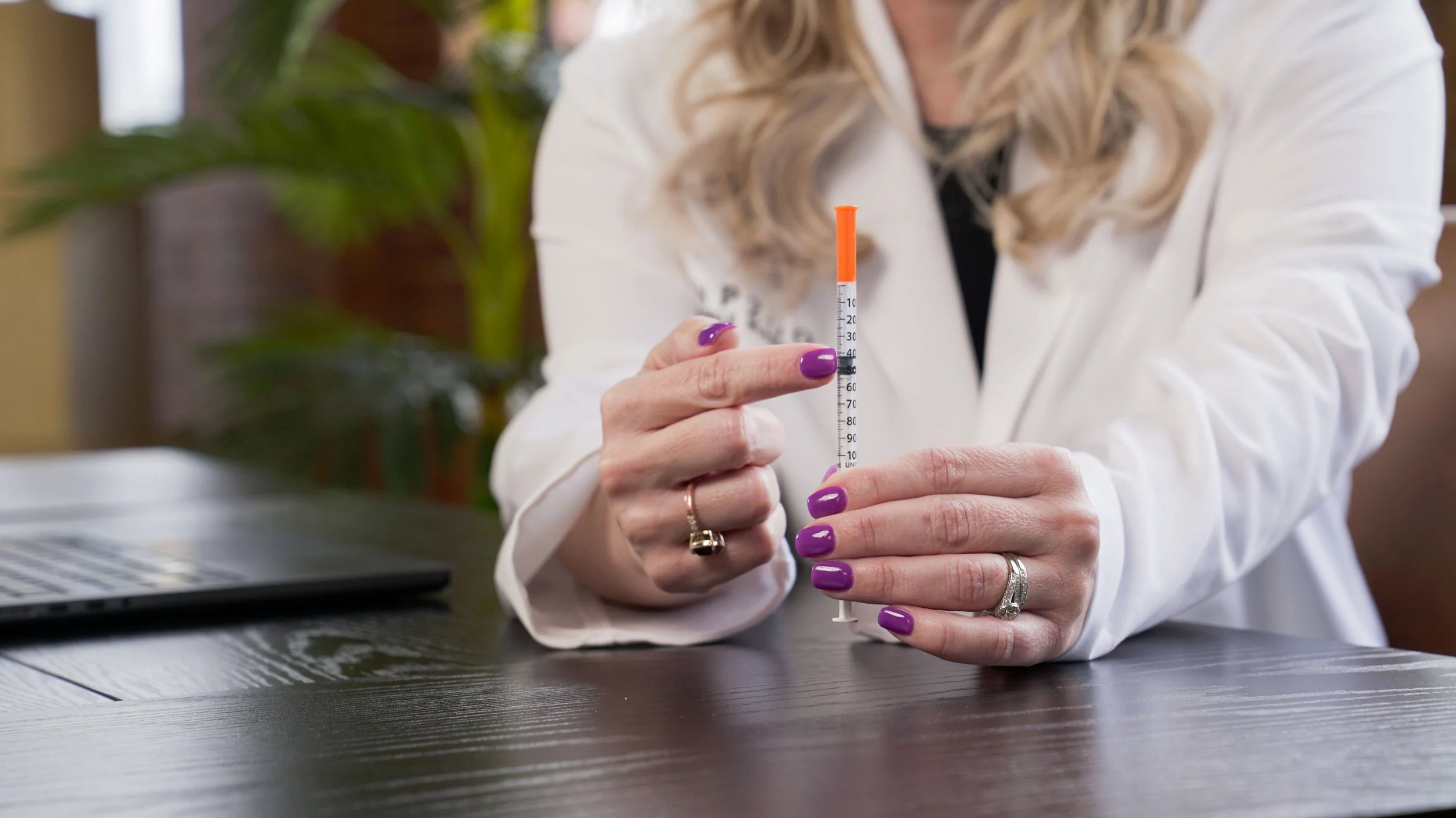
You started on GLP-1s; your appetite is reduced, you feel full faster, and you no longer experience food noise. But you wonder, “Can I still enjoy alcohol on semaglutide or tirzepatide, and if so, what are the best choices?”
The short answer is yes. In most cases, moderate alcohol consumption is generally considered safe while using GLP-1 medications. There is currently no strong evidence showing a direct interaction between alcohol and these drugs, and official prescribing information does not include specific warnings against drinking.
That said, safe doesn’t mean risk-free. Alcohol can still affect your health and weight loss progress, whether you’re on GLP-1 or not. Drinking excessively increases the risk of serious health issues, while even moderate intake can add extra calories that may slow your results.
Standard moderation guidelines generally suggest no more than 1 drink per day for women and no more than 2 drinks per day for men.
It’s also important to understand that GLP-1 medications change how your body responds to food and drink. Because they slow digestion and reduce appetite, you may feel the effects of alcohol more quickly or differently than before. Some people report increased sensitivity, nausea, or reduced desire to drink altogether.
For these reasons, what you choose to drink matters just as much as how much you drink. In this guide, we’ll explore the best alcohol options if you decide to drink, which ones to limit or avoid, and how to make choices that support your health and weight loss goals.
Key Risks of Drinking on GLP-1s
You may not need to abstain from alcohol completely while using GLP-1s like semaglutide (Ozempic, Wegovy) or tirzepatide (Mounjaro, zepbound), but it’s not risk-free. While there is no direct interaction between alcohol and GLP-1 medications, their potential impact on side effects, serious complications, and therapeutic benefits should be considered.
Here’s how drinking alcohol might affect your experience on semaglutide or tirzepatide:
1. Worsened gastrointestinal side effects
GLP-1 medications can cause gastrointestinal side effects like nausea, vomiting, reflux, and stomach discomfort, especially when you’re starting on the medication or during a dosage increase.
Alcohol irritates the stomach lining and causes similar side effects. Because GLP-1s delay gastric emptying, alcohol may linger longer in your system and make these symptoms even worse, turning a mild queasy feeling into full-blown nausea or vomiting. Many people report that even one or two drinks can bring back the early-week side effects they thought they had outgrown.
2. Increased dehydration risk
GLP-1 medications can cause fluid loss through vomiting or diarrhea. Adding alcohol, which is a diuretic, can worsen dehydration, increasing fatigue, headaches, constipation, and even dizziness.
3. Blood sugar fluctuations and hypoglycemia
GLP-1s help lower and stabilize blood sugar. Alcohol lowers blood glucose by slowing the liver’s ability to release stored sugar. This is especially true if you drink on an empty stomach, are taking other blood-sugar-lowering medications like insulin, or drink too much. Hypoglycemia can happen faster and feel more intense if you mix GLP-1 and alcohol.
4. Lower alcohol Tolerance and stronger effects
Most patients notice they feel intoxicated faster and with less alcohol. Recent studies confirm that GLP-1s can raise blood alcohol concentration and slow its clearance, so one drink may hit like two or three. This also means longer-lasting hangovers and more next-day fatigue.
5. Increased risk of pancreatitis
GLP-1 medications carry a rare warning for pancreatitis. Alcohol is a well-known independent risk factor for the same condition. In fact, chronic alcohol consumption is the primary cause of chronic pancreatitis and the second most prevalent cause of acute pancreatitis. When combined with semaglutide or tirzepatide, which carry a minor risk, the risk may increase.
6. Slower weight-loss progress
Alcohol may slow your weight loss efforts with medications like Wegovy or Zepbound. It adds empty calories and often sugar, with no nutritional benefit. It can also temporarily slow fat burning as your liver prioritizes metabolizing the alcohol. Over time, regular drinking can quietly stall the scale even if you’re doing everything else right.
What Are the Best Alcohol Choices While on GLP-1 Medications?
If you choose to drink while on a GLP-1 medication, picking options that are lowest in calories, sugar, and carbs can be very effective.
These choices help you minimize extra calories loaded in many alcoholic beverages and reduce other long-term health problems that come with alcohol consumption.
However, while you should only drink alcohol in moderation while on GLP-1 medications, not all alcohols can support your weight loss goals. Here are several low-calorie options you can enjoy:
1. Vodka + soda water + lime
Vodka is highly distilled, meaning it contains virtually no carbohydrates or added sugars, and pairing it with soda water keeps the drink light and low in calories.
For extra flavor without added sugar, you can garnish with fresh lime, lemon, cucumber, or mint. You can also switch regular soda water for flavored sparkling water to enhance the taste while still keeping it simple and refreshing.
2. Tequila with soda + lime
Tequila with lime is one of the simplest drinks you can make, and it’s naturally low in calories. A standard shot (about 42 mL) of tequila with a squeeze of fresh lime contains roughly 100 calories, with no added sugars or carbs.
If you don’t enjoy it straight, you can easily turn it into a lighter cocktail by adding club soda, fresh mint, or a splash of coconut water.
Skip pre-made margarita mixes or sweetened versions, as they can quickly turn a low-calorie drink into a high-sugar one that may worsen nausea or slow your weight loss progress.
3. Dry red or white wine
Dry wines are a great option if you’re looking for something simple, balanced, and low in sugar while on GLP-1 medications. Unlike sweet wines, dry red and white varieties contain minimal residual sugar.
A standard 5-ounce glass generally contains 120–130 calories, making it easier to fit into your daily intake without affecting your weight-loss goals.
If you prefer red, options like Cabernet Sauvignon or Pinot Noir work well. For white wine lovers, Sauvignon Blanc or a dry Chardonnay is a good pick.
4. Light beer
Compared to regular beer, light beer is lower in calories and alcohol, making it a more suitable option if you enjoy beer but are mindful of your weight-loss goals.
While the exact calorie count varies by brand, a 12-ounce (360 mL) serving usually contains around 90–110 calories.
5. Hard seltzer
Hard seltzer is a refreshing, low-calorie alternative to cocktails, beer, and mixed drinks. It’s made by combining seltzer water with alcohol distilled from fermented cane sugar and is often offered in a variety of fruity flavors.
A standard 12-ounce (355 mL) can, for example, a mango-flavored hard seltzer, contains about 99 calories.
6. Gin with diet tonic
Gin and tonic is a classic cocktail, but traditional tonic water can be high in calories. Switching to a diet tonic cuts roughly 60 calories per drink, making it a much lighter option while still keeping the crisp, refreshing taste.
You can also substitute tonic water with club soda or sparkling water. Gin’s natural juniper flavor keeps the drink flavorful even without a sweet mixer.
For added freshness and a twist, try garnishing with grapefruit, cucumber, or a sprig of rosemary.
7. Rum and diet coke
Rum and Coke is a popular classic, but regular Coke can add a significant number of calories. Switching to diet soda or Coke Zero is an easy way to keep the drink under 100 calories while still enjoying the familiar flavor.
If you miss the sweetness of a traditional rum and Coke, try adding a splash of fresh lime juice.
Alcohol to Avoid on GLP-1 Medications
While you can enjoy alcohol on GLP-1 medications, some drinks are more likely to trigger side effects, add hidden calories, and slow your weight-loss results. These higher-risk options are loaded with sugar, carbs, carbonation, or stomach irritants that don’t mix well with the slower gastric emptying caused by GLP-1s.
Here are the drinks to avoid or strictly limit:
Sweet cocktails and sugary mixers: Like margaritas, daiquiris, piña coladas, cosmos, or anything with juice or simple syrup. These drinks contain more than 70% of your daily sugar intake in one serving.
A single margarita or daiquiri, for example, can easily pack 250–400+ calories and 30–50g of sugar. The combination of high sugar and delayed stomach emptying can lead to intense nausea, reflux, and blood-sugar swings that can last into the next day.
Regular beer and craft beers like IPAs, stouts, lagers, or any full-calorie beer. Even one pint can contain 150–300 calories and 10–20 g of carbs, plus heavy carbonation. The fizz and carbs commonly cause bloating, gas, and stomach discomfort that feels twice as bad on a GLP-1.
Juice-based or regular soda mixers like tonic water, cola, ginger ale, orange juice, cranberry juice, or lemonade.
These add empty calories and sugar without any benefit. Switching to diet or zero-sugar versions or plain soda water makes a huge difference in both calorie load and side effects.
Tips for Drinking Safely While on GLP-1 Medications
If you decide to enjoy alcohol while taking GLP-1 medications, following these tips can help you avoid unwanted side effects:
1. Consult your healthcare provider
Before drinking alcohol while on GLP-1 medications, it’s important to check with your healthcare provider. Be open about your drinking patterns. How often and how much you drink. They can provide guidance based on your current medication dose and schedule, any underlying health conditions, and your overall treatment plan and weight loss goals.
Professional advice ensures that your alcohol use is safe, tailored to your needs, and doesn’t interfere with your progress.
2. Always eat before drinking
Drinking alcohol on an empty stomach can increase the risk of nausea or vomiting, cause you to feel intoxicated more quickly, and possibly lead to blood sugar dips, especially if you have type 2 diabetes.
To reduce digestive discomfort and stabilize blood sugar, pair your drink with a light, balanced snack like nuts, cheese, or vegetables.
3. Stay hydrated
To avoid dehydration, drink a glass of water between alcoholic drinks and at least 1 extra glass before bed. Avoid excessive alcohol consumption in hot climates or after physical activity.
4. Monitor your portion sizes
Even low-calorie drinks can add up quickly. Stick to moderation. This means 1 drink or less per day for women and up to 2 drinks or less per day for men.
Use smaller glasses or measure your drinks to avoid unintentionally exceeding safe limits.
5. Pay attention to how your body reacts.
GLP-1 medications can alter alcohol tolerance, making you feel drunk faster or experience stronger side effects. Start with smaller amounts to gauge your reaction and avoid trying new drinks or large quantities.
If you feel unusually dizzy, nauseous, or uncomfortable, it may be time to stop drinking.
FAQs About Best Alcohol Choices While on GLP-1 Medications
Can you drink alcohol while taking Ozempic, Wegovy, Zepbound, or Mounjaro?
Yes, you can drink alcohol in moderation while taking Ozempic, Wegovy, Zepbound, or Mounjaro. There are no strict warnings against alcohol, but tolerance may change. Stick to small amounts, avoid drinking on an empty stomach, and monitor side effects like nausea, dizziness, or low blood sugar.
What alcohol is easiest on the stomach while on GLP-1s?
The easiest options are low-sugar, simple drinks like dry wine, light beer, or spirits with soda water. These are less likely to trigger nausea or bloating. Avoid sugary cocktails, creamy drinks, and heavy beers, as they can worsen digestive side effects commonly experienced with GLP-1 medications.
Why do I feel drunk faster on GLP-1 medications?
GLP-1 medications slow digestion, which can change how alcohol is absorbed in your body. This may cause alcohol to hit faster or feel stronger than usual. Reduced food intake and lower tolerance also contribute, meaning even small amounts of alcohol can have a more noticeable effect.
Can GLP-1 medications reduce alcohol cravings?
Yes, some research and patient reports suggest GLP-1 medications may reduce alcohol cravings. These drugs affect brain appetite and reward pathways, which can reduce the desire to drink. While not officially approved for this purpose, ongoing studies are exploring their potential role in managing addictive behaviors.
Does GLP-1 make you drunk faster?
It can. Many people report feeling intoxicated more quickly while on GLP-1 medications. This is likely due to slower gastric emptying and changes in metabolism. Because of this, it’s important to drink slowly, start with small amounts, and pay close attention to how your body responds.
What is the best alcohol to drink on semaglutide?
The best options on Semaglutide are low-calorie, low-sugar drinks like dry wine, light beer, or spirits mixed with soda water. These choices are less likely to cause nausea or interfere with weight loss. Avoid sugary cocktails and heavy drinks, as they can worsen side effects and add excess calories.
Ready to Maximize Your Results on GLP-1 Medications?
Drinking alcohol on GLP-1 medications can be safe when done thoughtfully, but it requires awareness. Focus on moderation, hydration, balanced meals, and low-calorie drink choices. Paying attention to your body and planning help you enjoy social occasions without compromising your health or weight-loss goals.
Right guidance can also make all the difference. From nutrition and lifestyle habits to medication management, having expert support helps you get better, faster, and more sustainable results.
Take the next step today. Connect with a licensed provider at NP2GO to get personalized guidance on your GLP-1 journey, including how to safely incorporate alcohol, optimize your results, and stay on track long-term.