
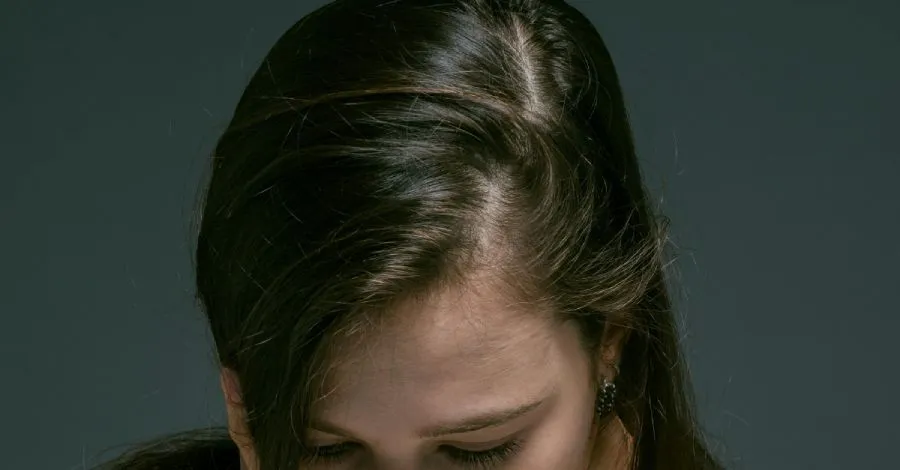
Losing your hair as a woman can be alarming and distressing, especially if you’re young or going through a sensitive period in your life.
Female-pattern baldness is the most common type of hair loss in women. It’s also called female-pattern hair loss (FPHL), hereditary hair loss, and androgenetic alopecia. While it can occur at any age, female pattern hair loss is most common during menopause. Approximately half of all women experience signs of hair loss by the age of 50.
Unlike men, women often experience thinning hair without going bald, and this condition may have several underlying causes.
Fortunately, treatments are available to help stimulate the regrowth of new hair. In this guide, we’ll explore the causes, early signs, diagnosis, and best treatment options for female-pattern baldness.
What Is Female-Pattern Baldness?
Female-pattern baldness, also known as female-pattern hair loss (FPHL) or androgenetic alopecia, refers to the hair loss and hair thinning that affects women.
Female pattern hair loss affects almost all women to some extent. While it can start at any point after puberty, women usually notice it around menopause, when hair loss usually worsens. Age increases the risk, and women with a family history of hair loss are at greater risk.
Less than 45% of women retain a full head of hair by the age of 80, and approximately 40% of women show signs of hair loss by the age of 50.
While both men and women experience androgen-related hair loss, female-pattern baldness is different from male-pattern baldness in its pattern and severity. Men develop a receding hairline or bald spots at the crown. In contrast, women usually notice a widening part line and diffuse thinning over the crown and mid-scalp while maintaining the frontal hairline. Complete baldness is rare in women.
Clinicians use the Ludwig scale to assess the degree of female-pattern hair loss.
- Stage I: Mild thinning on the crown with a slight widening of the part, which can be concealed with hair styling methods.
- Stage II: Noticeable reduction in hair volume and visible scalp through the hair.
- Stage III: Advanced thinning or near-complete hair loss on the crown.
What Causes Female-Pattern Baldness?
Female-pattern baldness develops through a combination of genetic, hormonal, and lifestyle factors that affect how your hair grows and regenerates. Below are the main causes:
1. Genetics
Genetic hair loss in women, also called androgenetic alopecia, runs in families. If close relatives (on either parent’s side) have experienced pattern hair loss, you’re more likely to develop it.
You can acquire the genes that cause FPHL from either parent. These genes make hair follicles more receptive to male sex hormones, also known as androgens.
Everybody, even women, has male sex hormones that regulate hair growth in all four phases. (Anagen, catagen, telogen, exogen).
Androgen hormones decrease hair growth. An increased responsiveness to these hormones causes a shorter anagen phase, which is the growth phase. Over time, this leads to thinner strands, reduced density, and slower regrowth.
2. Hormones
Hormonal hair loss in women is caused by changes in androgen, estrogen, and progesterone levels. During menopause, for example, FPHL tends to be common. This is because estrogen levels start to decline during perimenopause.
As estrogen levels decline, hair follicles become more sensitive to androgens like dihydrotestosterone (DHT), leading to gradual thinning in the crown and mid-scalp areas.
Health conditions that cause hormonal imbalances can also lead to female pattern baldness. Polycystic Ovary Syndrome (PCOS), for example, causes an increase in androgen in females. While hair growth is a symptom of this condition, it can also lead to hair loss.
Childbirth may also cause female pattern hair loss. This may be because estrogen levels drop at this time.
3. Medical issues
Underlying medical issues can worsen or mimic pattern baldness. Thyroid disease, whether overactive (hyperthyroidism) or underactive (hypothyroidism), can disrupt the normal hair growth cycle, leading to diffuse thinning across the scalp. Treating thyroid disorders often helps restore hair density over time.
Iron deficiency, which affects more women than men, can cause hair loss. Low iron levels reduce oxygen supply, weakening hair strands and slowing regrowth. Women with heavy menstrual cycles, poor diets, or certain gastrointestinal conditions are particularly at risk.
Some treatments, such as chemotherapy drugs, can also lead to hair loss. But hair normally grows back after stopping the treatment.
4. Lifestyle and environmental factors
While genetics and hormones are key causes of female-pattern baldness, lifestyle choices can worsen hair thinning or slow regrowth.
Long-term stress raises cortisol levels, which can disrupt the hair growth cycle and cause telogen effluvium (temporary shedding). Over time, it may weaken follicles and make female-pattern hair loss more noticeable. Hair loss caused by stress can regrow in a few months once you start managing it.
Frequent heat styling, tight hairstyles, and chemical treatments can also cause breakage and scalp irritation. Over time, these practices may worsen hair thinning. Practicing gentle care, such as using sulfate-free shampoos, reducing heat styling, and avoiding tight hairstyles, helps protect fragile strands.
6. Age
The risk of developing female pattern baldness increases with age. Approximately one-third of women will experience female pattern baldness at some point in their lives. Around two-thirds of women have total hair loss or thinning after menopause.
Early Signs and Symptoms to Watch For
The most common symptom of FPHL is progressive thinning of hair on the top and crown of the scalp, while the hairline at the front usually remains the same. Unlike men, women are less likely to experience complete baldness or a receding hairline.
Another of the earliest signs is a widening part line. You might notice that your usual part seems a little broader than before, or that more of your scalp shows under bright light. Over time, the part can continue to widen as the hair follicles gradually shrink.
Many women also begin to notice a smaller or thinner ponytail. If your ponytail feels lighter, flatter, or less full than it used to, it’s often a sign that your hair shafts are becoming finer and the follicles weaker.
Another common early symptom is increased shedding. While it’s common to lose around 50-100 strands of hair daily, seeing more hair than usual in your brush, on your pillow, or in the shower, and it happens persistently and without noticeable regrowth, may indicate the early stages of female-pattern hair loss.
You might also feel that your hair simply isn’t as thick, full, or bouncy as it used to be. This diffuse loss of volume across the scalp, rather than patchy bald spots, is what sets FPHL apart from other forms of hair loss.
How Female-Pattern Baldness Is Diagnosed
Your healthcare provider can diagnose female pattern hair loss by reviewing your medical, family, and medication history. They’ll ask about:
- When hair thinning began and how quickly it’s progressed.
- Family history of androgenetic alopecia (genetic hair loss).
- Menstrual irregularities, menopause, or signs of hormonal imbalance.
- Use of medications such as birth control pills, antidepressants, or blood pressure drugs, which can contribute to shedding.
A doctor may also conduct a physical examination to look for the characteristic pattern of thinning on the crown of the head and check the scalp for any abnormalities. They may sometimes use a dermatoscope, a magnifying device, to assess hair follicle density and diameter differences, which confirm pattern hair loss.
Your provider may order blood tests to check for underlying medical conditions that can cause hair loss, such as thyroid issues or iron deficiency.
If the cause of your hair loss is unclear, your doctor may also advise taking a biopsy, or a sample of skin, from your scalp to check for other hair loss conditions.
Treatment Options for Female-Pattern Baldness
There are several hair loss treatments for female pattern baldness, including:
Minoxidil
Minoxidil remains the first-line and only FDA-approved treatment for women with female-pattern hair loss. It comes in various strengths, as a liquid or foam, which you can apply twice daily to your scalp. If you can’t tolerate the topical forms, you can take it as a pill.
Minoxidil works by increasing blood flow to your hair follicles, stimulating more hair follicles to enter the anagen, or growth, stage of their cycle.
While this medication won’t completely replace the hair you’ve lost, it can grow back a substantial volume of hair and make it appear thicker overall.
You can expect to see results in 6 to 12 months. Additionally, you need to use minoxidil continuously to maintain the effect; otherwise, it will cease to be effective. If this happens, your hair might look like it did before.
Spironolactone
Spironolactone is a potassium-sparing diuretic with anti-androgenic properties. It suppresses the production of androgens, which may help in the regrowth of hair lost due to female pattern baldness.
In a study of women with FPHL, spironolactone was shown to improve hair shedding, thickness, and regrowth in over 75% of participants. Another analysis of several clinical studies has shown that spironolactone may be an effective treatment for female hair loss when used alone or in combination with other hair-loss medications.
Finasteride
Finasteride, commonly known by the brand name Propecia, is an off-label option for women, usually after menopause.
Studies have shown that females with high levels of androgens, such as testosterone, appear to respond better to finasteride. This is typical of hair loss caused by conditions like congenital adrenal hyperplasia (CAH) or polycystic ovarian syndrome (PCOS).
Finasteride can harm an unborn fetus. Therefore, using finasteride while pregnant or attempting to become pregnant is not safe.
FAQs About Female-Pattern Baldness
What is the main cause of female-pattern baldness?
The main cause of female-pattern baldness is a combination of genetic and hormonal factors, particularly sensitivity to dihydrotestosterone (DHT). Aging, menopause, and certain health conditions, such as PCOS, can exacerbate follicle shrinkage, resulting in a gradual thinning of hair on the crown and top of the scalp.
Can female-pattern baldness be reversed?
You can’t reverse female-pattern baldness, but early treatment can slow or even partially restore hair growth. Medications like minoxidil, spironolactone, and finasteride can help thicken existing hair and reduce further loss when used consistently.
How long does minoxidil take to work in women?
Minoxidil can take 3–6 months of consistent daily use to show visible improvement in hair density. Some women may notice reduced shedding at the 2-month mark. Optimal results usually appear after 12 months, and continued use is required to maintain regrowth.
Is oral minoxidil safe for women?
Oral minoxidil is an effective off-label treatment for women who don’t respond to topical forms. It’s generally safe under medical supervision but may cause mild swelling, low blood pressure, or increased heart rate in some users. Regular monitoring of blood pressure and heart rate is recommended.
Does spironolactone help with hair regrowth?
Yes. Spironolactone blocks androgens like DHT that cause hair follicle shrinkage, helping reduce shedding and promote regrowth in women with hormonal or genetic hair loss. It’s most effective when used for 6–12 months.
Take Control of Your Hair Health Today
Female-pattern hair loss (FPHL) is the most common type of hair loss in women, and it can be both frustrating and emotionally distressing. The good news is that there are effective treatment options like minoxidil, spironolactone, and finasteride that can help restore confidence and slow hair loss.
No matter which treatment path you choose, the key is to start early. As soon as you notice signs of thinning or shedding. Early intervention offers the best chance to slow progression, encourage regrowth, and maintain hair density.
At NP2GO, our licensed nurse practitioners specialize in personalized hair restoration treatments designed for women. From virtual visits to in-office consultations, we’ll help you find a plan that fits your goals, health needs, and budget.
Don’t wait. Book your consultation with NP2GO today and take the first step toward stronger, fuller, and healthier hair.